

As siding contractors near me take the spotlight, this opening passage invites readers into a realm of expertise, guaranteeing an informative journey that is both captivating and refreshingly unique.
The following paragraph will delve into the essential aspects of siding contractors and their significance in home improvement projects.
Research on Siding Contractors
When looking for siding contractors, it is crucial to consider various factors to ensure the best outcome for your project. Here are some key qualities to look for in siding contractors:
Top Qualities to Look For
- Experience: Hiring siding contractors with a proven track record of successful projects can provide you with peace of mind and assurance of quality work.
- Reputation: Checking online reviews and testimonials can give you insights into the reputation of the contractors and their work ethic.
- Licensing and Insurance: It is important to hire contractors who are properly licensed and insured to protect yourself from liability in case of accidents or damages during the project.
- Communication Skills: Effective communication is essential for a successful project, so look for contractors who are responsive and clear in their communication.
- Quality of Materials: Ensure that the contractors use high-quality materials for the siding installation to ensure durability and longevity.
Importance of Hiring Local Contractors
Choosing local siding contractors can offer several advantages, such as:
- Knowledge of Local Regulations: Local contractors are familiar with the building codes and regulations in your area, ensuring compliance with all requirements.
- Quick Response Time: Local contractors can respond promptly to any issues or concerns that may arise during the project, providing efficient solutions.
- Supporting the Local Economy: By hiring local contractors, you contribute to the growth and development of your community.
Benefits of Experienced Contractors vs. New Contractors
While both experienced and new contractors have their own strengths, hiring experienced contractors can offer certain benefits:
- Expertise and Skills: Experienced contractors have honed their skills over time and have a deeper understanding of various siding installation techniques.
- Problem-solving Abilities: Experienced contractors can anticipate potential challenges during the project and provide effective solutions quickly.
- Reliability: Established contractors have a reputation to uphold and are more likely to deliver high-quality work within the agreed timeline.
Types of Siding Materials
When it comes to choosing siding for your home, there are several different materials to consider. Each type of siding material has its own unique characteristics, pros, and cons. Let's take a closer look at some of the most popular siding materials available.
Vinyl Siding
Vinyl siding is a popular choice for homeowners due to its affordability and low maintenance requirements. It comes in a variety of colors and styles, making it easy to find a look that suits your home. However, vinyl siding can be prone to fading over time and may not be as durable as some other materials.
Wood Siding
Wood siding offers a classic, natural look that many homeowners find appealing. It can be painted or stained to match your home's aesthetic, and is relatively easy to repair if damaged. On the downside, wood siding requires regular maintenance to prevent rot, mold, and insect damage.
Fiber Cement Siding
Fiber cement siding is a durable and low-maintenance option that is resistant to fire, insects, and rot. It can be made to mimic the look of wood or stucco, giving homeowners plenty of design options. However, fiber cement siding can be more expensive than other materials and may require professional installation.
Metal Siding
Metal siding is known for its durability and resistance to extreme weather conditions. It is also fire-resistant and requires minimal maintenance. However, metal siding can be prone to dents and scratches, and may not be as visually appealing to some homeowners.
Cost, Durability, and Maintenance Comparison
| Siding Material | Cost | Durability | Maintenance |
|---|---|---|---|
| Vinyl | Affordable | Moderate | Low |
| Wood | Moderate | High | High |
| Fiber Cement | High | High | Moderate |
| Metal | Moderate | High | Low |
Choosing the Right Siding for Your Home
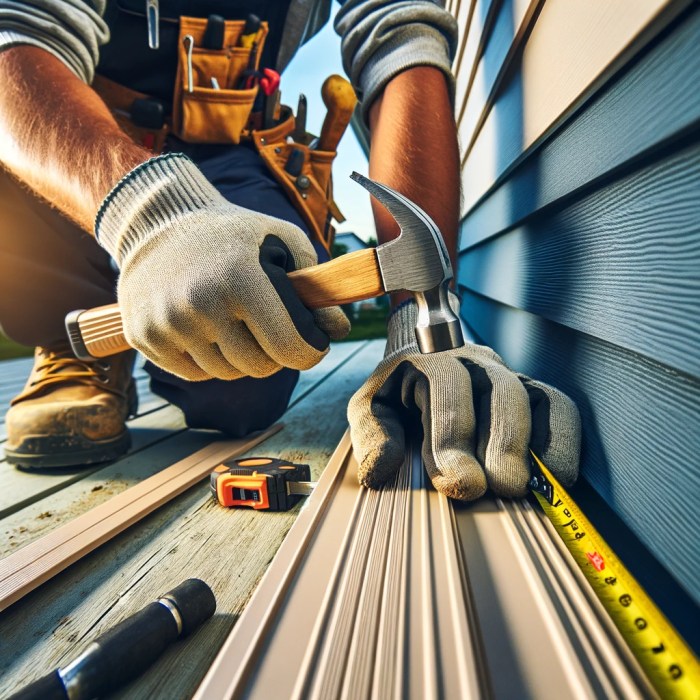
When it comes to selecting the perfect siding for your home, there are several factors to consider. From climate to aesthetics, energy efficiency to architectural style, choosing the right siding material can make a significant difference in the overall look and feel of your home.
Determining the Best Siding Material
One of the first things to consider when choosing siding for your home is the climate in which you live. Different siding materials perform better in certain climates, so it's essential to select a material that can withstand the weather conditions in your area.
- For colder climates, materials like vinyl or fiber cement siding are popular choices due to their durability and resistance to extreme temperatures.
- In warmer climates, materials like stucco or brick can help keep your home cool and are known for their longevity.
Importance of Energy Efficiency
Another crucial factor to keep in mind when selecting siding materials is energy efficiency. The right siding can help insulate your home, keeping it warm in the winter and cool in the summer, which can lead to significant savings on your energy bills.
- Consider materials like insulated vinyl or wood siding, which offer excellent thermal performance and can improve your home's overall energy efficiency.
- Look for siding with high R-values, which indicate better insulation properties and can help reduce heat loss or gain through your walls.
Matching Colors and Styles with Architecture
When choosing the color and style of your siding, it's essential to consider your home's architectural design. Matching the siding to your home's style can enhance its curb appeal and create a cohesive look.
- For traditional homes, classic siding materials like wood or brick in neutral colors can complement the architectural features.
- Modern homes may benefit from sleek metal or fiber cement siding in bold, contemporary colors to create a striking contrast.
Hiring Process and Cost Estimates
When it comes to hiring siding contractors and obtaining cost estimates for siding installation, it's important to understand the typical process and factors that can affect the overall cost. Here, we will provide a step-by-step guide on how to navigate through this process effectively.
Step-By-Step Guide on Obtaining Cost Estimates
Before diving into the hiring process, it's crucial to obtain accurate cost estimates for your siding installation. Follow these steps to ensure you are well-informed:
- Contact Multiple Contractors: Reach out to several reputable siding contractors in your area to request detailed quotes for the project.
- Provide Detailed Information: Be prepared to provide detailed information about your home, including its size, existing siding condition, and any specific requirements you may have.
- Compare Quotes: Once you receive quotes from different contractors, carefully compare the pricing, materials included, and the scope of work to make an informed decision.
- Avoid Lowball Offers: Be wary of significantly low offers as they may indicate subpar materials or workmanship, which could result in costly repairs down the line.
Factors Affecting the Overall Cost of Siding Installation
Several factors can influence the overall cost of siding installation. Understanding these factors can help you manage your budget effectively:
- Type of Siding Material: The choice of siding material can significantly impact the cost, with options ranging from vinyl and fiber cement to wood and metal.
- Home Size and Complexity: Larger homes or those with intricate designs may require more materials and labor, leading to higher installation costs.
- Removal of Existing Siding: If your home has existing siding that needs to be removed before installation, this additional step can increase the overall cost.
- Additional Features: Factors such as trim work, insulation upgrades, and decorative elements can add to the total cost of the project.
Maintenance and Repair of Siding
Regular maintenance is crucial for preserving the integrity and appearance of your home's siding. Different types of siding materials require specific care to ensure longevity and optimal performance.
Common Siding Problems and Solutions
- Moisture Damage: Water infiltration can lead to rot, mold, and mildew. Ensure proper sealing and caulking around windows, doors, and seams to prevent moisture penetration.
- Cracks and Holes: Inspect your siding for any cracks or holes that can allow pests or moisture to enter. Fill in these areas with appropriate filler and repaint if necessary.
- Fading and Discoloration: Over time, siding may fade or become discolored due to exposure to the sun. Consider repainting or staining to refresh the appearance of your siding.
- Warped or Loose Siding: Extreme weather conditions can cause siding to warp or become loose. Secure any loose panels and replace any damaged pieces to maintain the structural integrity of your home.
Tips for DIY Siding Repairs vs Hiring Professionals
- DIY Repairs: Small repairs such as filling in minor cracks or holes can often be done by homeowners with basic tools and materials. However, it's important to follow proper techniques to ensure a professional-looking finish.
- Hiring Professionals: For more extensive repairs or if you're unsure about the extent of the damage, it's best to hire experienced siding contractors. They have the skills and expertise to handle repairs efficiently and effectively.
- Regular Inspections: Schedule regular inspections of your siding to catch any issues early on and prevent costly repairs down the line. Addressing problems promptly can help prolong the lifespan of your siding.
Closing Notes
Concluding our exploration of siding contractors near me, we have unraveled key insights that shed light on the intricacies of this vital service. Dive into the world of siding installation with confidence and knowledge.
FAQ Insights
What qualities should I look for in siding contractors?
Look for experience, reliability, and good customer reviews when selecting siding contractors.
Why is hiring local siding contractors important?
Local contractors have a better understanding of local regulations, weather conditions, and community needs.
How do I determine the best siding material for my home?
Consider climate, aesthetics, and energy efficiency when choosing the right siding material for your home.
What factors can affect the overall cost of siding installation?
The size of the project, chosen materials, and any additional repairs needed can impact the cost of siding installation.
Is DIY siding repair recommended over hiring professionals?
Simple repairs can be done DIY, but for complex issues or extensive damage, it's best to hire professionals to ensure quality work.

