

Dive into the realm of eco-friendly roofing and siding materials where sustainability meets style. Discover how these materials not only benefit the environment but also provide cost-effective solutions for homeowners.
Learn about the different types of eco-friendly roofing and siding materials available in the market and how they can transform your home into an eco-conscious haven.
Benefits of Eco-Friendly Roofing Materials
Eco-friendly roofing materials offer several environmental advantages compared to traditional roofing options. These materials are typically made from recycled or sustainable materials, reducing the demand for new resources and minimizing waste. In addition, eco-friendly roofing materials are often more energy-efficient, leading to reduced energy consumption and lower carbon emissions.
Reduced Energy Costs
Using eco-friendly roofing materials can help homeowners save money on their energy bills. Materials such as green roofs or solar panels can provide natural insulation, reducing the need for heating and cooling systems to work overtime. This results in lower energy consumption and decreased utility costs over time.
Types of Eco-Friendly Roofing Materials
- Recycled Shingles: Made from materials like rubber, plastic, or wood fibers, recycled shingles are a sustainable option that diverts waste from landfills.
- Solar Panels: Solar panels harness the sun's energy to generate electricity, reducing reliance on traditional power sources and lowering carbon emissions.
- Green Roofs: Green roofs are covered in vegetation, providing natural insulation, absorbing rainwater, and reducing the urban heat island effect.
- Metal Roofing: Metal roofs are durable, recyclable, and reflective, helping to reduce energy consumption by keeping homes cooler in hot weather.
Types of Eco-Friendly Roofing Materials
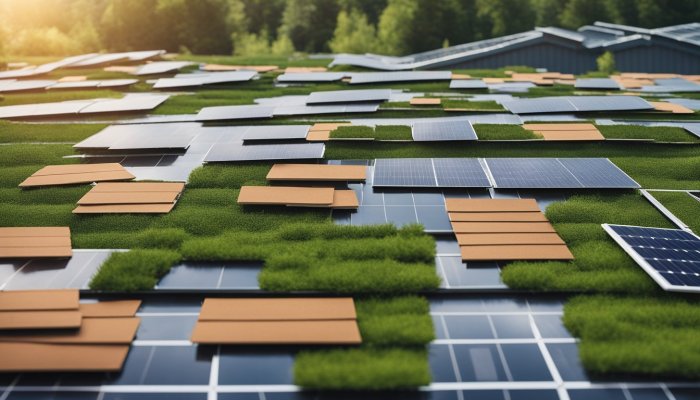
When it comes to eco-friendly roofing materials, there are several sustainable options available that offer durability, longevity, and cost-effectiveness.
Metal Roofing
Metal roofing is a popular choice for eco-friendly homes due to its recyclability and long lifespan. Typically made from aluminum, steel, or copper, metal roofs can last 50 years or more with minimal maintenance.
Solar Roofing
Solar roofing integrates solar panels into the roof structure, allowing homeowners to harness renewable energy and reduce their carbon footprint. While the initial cost may be higher, solar roofs can pay for themselves over time through energy savings.
Green Roofs
Green roofs are covered with vegetation, providing natural insulation, absorbing rainwater, and reducing urban heat island effect. These roofs can extend the lifespan of the roof membrane and improve air quality while adding aesthetic value to the property.
Recycled Shingles
Recycled shingles are made from materials like rubber, plastic, or wood fibers, diverting waste from landfills. These shingles offer comparable durability to traditional asphalt shingles while being environmentally friendly.
Sustainable Siding Materials for Eco-Friendly Homes
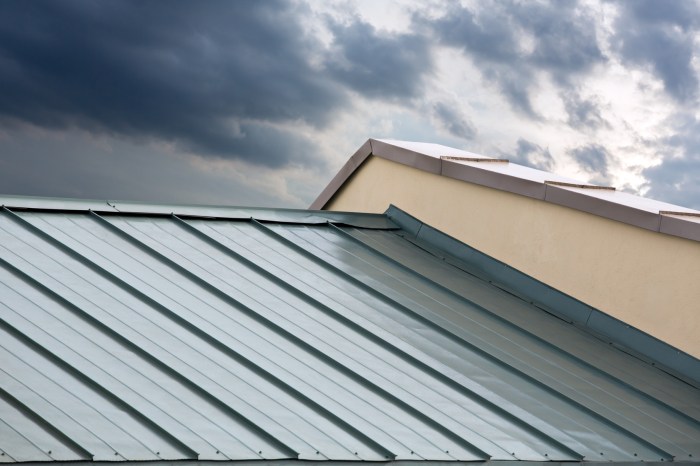
Using sustainable siding materials is crucial for environmentally conscious homeowners who want to reduce their carbon footprint and contribute to a healthier planet. By choosing eco-friendly siding options, homeowners can help conserve natural resources, reduce energy consumption, and minimize waste.
Types of Eco-Friendly Siding Materials
There are several types of sustainable siding materials that are not only environmentally friendly but also aesthetically pleasing
- Wood: Wood siding is a classic choice that can be sourced from sustainably managed forests. It is biodegradable, renewable, and has a natural beauty that enhances the curb appeal of homes.
- Fiber Cement: Made from a mix of cement, sand, and cellulose fibers, fiber cement siding is durable, low-maintenance, and resistant to fire, insects, and rot. It is also recyclable and can mimic the look of wood or other materials.
- Reclaimed Materials: Using reclaimed materials like salvaged wood, metal, or bricks for siding can give a unique character to a home while reducing the demand for new resources. Reclaimed materials also help divert waste from landfills.
Installation and Maintenance Tips for Eco-Friendly Roofing and Siding
When it comes to eco-friendly roofing and siding materials, proper installation and maintenance are crucial to ensure their longevity and efficiency.
Proper Installation of Eco-Friendly Roofing Materials
- Ensure that the roofing materials are installed according to the manufacturer's guidelines to prevent any potential leaks or damage.
- Use qualified and experienced roofers who have expertise in working with eco-friendly materials to guarantee a proper installation.
- Inspect the roof structure before installation to identify any underlying issues that need to be addressed before proceeding.
- Consider adding extra insulation under the roof to improve energy efficiency and maximize the benefits of eco-friendly roofing materials.
Maintenance Practices for Eco-Friendly Roofing and Siding Materials
- Regularly clean debris, leaves, and branches off the roof to prevent clogging and water damage.
- Check for any signs of damage, such as cracks or missing shingles, and repair them promptly to avoid further issues.
- Trim overhanging tree branches to prevent damage from falling limbs and to maintain the integrity of the roof and siding.
- Schedule annual inspections by professionals to identify any potential problems early and address them before they escalate.
Importance of Regular Inspections and Repairs
Regular inspections and repairs are essential for preserving the integrity of eco-friendly roofing and siding materials. By addressing issues promptly, you can prevent costly repairs and prolong the lifespan of your eco-friendly home. Remember that proactive maintenance is key to ensuring that your eco-friendly roofing and siding continue to perform at their best for years to come.
Closing Summary
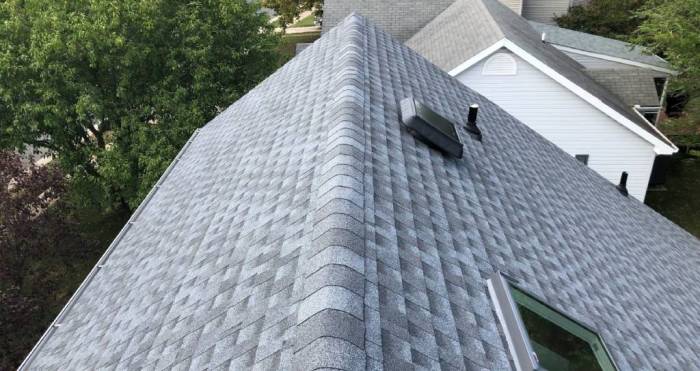
In conclusion, eco-friendly roofing and siding materials offer a blend of functionality, aesthetics, and sustainability. By incorporating these materials into your home, you're not just making a choice for today, but for a greener tomorrow.
General Inquiries
Are eco-friendly roofing materials more expensive than traditional options?
Eco-friendly roofing materials may have a higher upfront cost but can lead to long-term savings through energy efficiency and durability.
How can I maintain eco-friendly siding materials?
Maintain eco-friendly siding materials by regularly cleaning them and addressing any repairs promptly to ensure longevity.
Do eco-friendly roofing materials require special installation techniques?
While some eco-friendly roofing materials may require specific installation methods, a professional contractor can ensure proper installation for optimal performance.

