

Embark on a journey to discover the ideal flooring options for your home remodel. From hardwood to vinyl, explore the pros and cons of each material and find the perfect fit for your space.
Learn about the factors that play a crucial role in choosing the best flooring, including lifestyle, budget, and design preferences. Dive into the world of aesthetics and design to create a cohesive look that elevates your home's style.
Types of Flooring Materials
When it comes to choosing flooring materials for a home remodel, there are several options available, each with its own set of benefits and considerations. From hardwood to laminate, vinyl, and tile, each type of flooring material offers different levels of durability and maintenance requirements.
Hardwood Flooring
Hardwood flooring is known for its timeless beauty and durability. It adds warmth and character to any space, making it a popular choice for many homeowners. While hardwood floors can be more expensive upfront, they can last for decades with proper care and maintenance.
Regular sweeping and occasional refinishing are necessary to keep hardwood floors looking their best.
Laminate Flooring
Laminate flooring is a cost-effective alternative to hardwood, offering a similar look at a fraction of the price. It is also easy to install and maintain, making it a popular choice for busy households. Laminate flooring is resistant to scratches and stains, but it is not as durable as hardwood in the long run.
Regular cleaning and avoiding excessive moisture are key to preserving the appearance of laminate floors.
Vinyl Flooring
Vinyl flooring is a versatile and affordable option for homeowners looking for a durable and low-maintenance flooring solution. It comes in a variety of styles, including wood and tile looks, and is resistant to water and stains. Vinyl flooring is easy to clean and can withstand heavy foot traffic, making it ideal for high-traffic areas in the home.
Tile Flooring
Tile flooring is a popular choice for bathrooms, kitchens, and other areas prone to moisture and spills. It is durable, easy to clean, and available in a wide range of colors and patterns. While tile floors can be cold to the touch, they can be paired with radiant heating systems for added comfort.
Regular sealing and grout cleaning are essential for maintaining the appearance and longevity of tile floors.
Factors to Consider
When choosing the best flooring for a home remodel, there are several key factors to take into consideration. These factors can greatly impact the overall look, feel, and longevity of your flooring choice.
Lifestyle, Budget, and Location
- Lifestyle: Consider how you use the space and your daily activities. For example, if you have a busy household with children and pets, you may want to opt for a durable and easy-to-clean flooring option.
- Budget: Determine how much you are willing to invest in your flooring. Keep in mind that higher quality materials may come with a higher price tag but can also offer better durability and longevity.
- Location: Take into account the specific area of your home where the flooring will be installed. For example, a moisture-prone area like a bathroom or basement may require a different type of flooring compared to a dry area like a living room.
Impact of Pets, Children, and High Traffic Areas
- Pets: If you have pets, consider choosing a flooring material that is scratch-resistant and easy to clean. Avoid materials that can easily be damaged by pet claws or accidents.
- Children: For households with children, opt for a flooring option that is safe, slip-resistant, and easy to maintain. Carpet may not be the best choice for young children due to spills and accidents.
- High Traffic Areas: Areas with high foot traffic, such as entryways, hallways, and kitchens, require durable flooring that can withstand heavy use. Consider materials like hardwood, laminate, or tile for these spaces.
Design and Aesthetics
When it comes to home remodels, choosing the right flooring can significantly impact the overall design and aesthetic appeal of a room. Different flooring materials offer unique characteristics that can enhance or detract from the desired look and feel of a space.
Here, we will explore how various flooring options can complement the design of a room and provide tips on selecting the right flooring to achieve the desired aesthetic.
Enhancing Room Design with Flooring Materials
- Hardwood Flooring: Hardwood floors add warmth and elegance to a room, making it a popular choice for traditional and classic interior designs. The natural grains and rich tones of hardwood can create a timeless and sophisticated look.
- Tile Flooring: Tiles come in a wide range of colors, patterns, and finishes, offering versatility in design. From sleek and modern to rustic and earthy, tile flooring can be customized to suit various aesthetics.
- Carpet Flooring: Carpets provide comfort and coziness to a room, making them ideal for bedrooms and living areas. With endless options in colors and textures, carpets can add a touch of luxury or casualness to the space.
- Laminate Flooring: Laminate flooring can mimic the look of hardwood, tile, or stone at a lower cost. It is a practical choice for achieving specific aesthetic styles without compromising on durability and maintenance.
Selecting Flooring for the Desired Aesthetic
- Consider the Overall Style: Choose flooring materials that align with the overall style of your home. For example, sleek and minimalist floors like concrete or tile are suitable for contemporary designs, while distressed wood complements rustic or farmhouse aesthetics.
- Match Colors and Finishes: Coordinate the color and finish of the flooring with the existing decor and furnishings in the room. Light-colored floors can make a space feel more open and airy, while darker tones add depth and richness.
- Texture and Finish: Pay attention to the texture and finish of the flooring as they can impact the visual appeal and feel of a room. Glossy finishes reflect light and create a polished look, while matte finishes offer a more subdued and natural appearance.
Installation and Maintenance
When it comes to flooring, proper installation and maintenance are crucial to ensuring the longevity and durability of your investment. Here, we will discuss the installation process for different types of flooring, the importance of maintenance, and share tips for cleaning and caring for various flooring materials.
Installation Process
- Hardwood Flooring: Installation of hardwood flooring typically involves nailing, stapling, or gluing the planks to a subfloor. It is essential to acclimate the wood to the environment before installation to prevent warping.
- Laminate Flooring: Laminate flooring is often installed as a floating floor, with the planks clicking together without the need for adhesives. Proper underlayment is crucial to prevent moisture damage.
- Tile Flooring: Tile flooring installation involves setting the tiles in mortar or adhesive on a level subfloor. Grout is then applied to fill the gaps between tiles, and proper sealing is necessary to prevent staining and water damage.
- Carpet Flooring: Carpet installation involves stretching the carpet over a pad and securing it along the edges. Professional installation is recommended to ensure a smooth and wrinkle-free finish.
Importance of Maintenance
Proper maintenance is essential to prolong the lifespan of your flooring and keep it looking its best. Regular cleaning, proper care, and timely repairs can help prevent damage and extend the beauty of your floors for years to come.
Tips for Cleaning and Caring
- Hardwood Flooring:Avoid using excessive water when cleaning hardwood floors, as it can cause warping. Use a damp mop or specialized hardwood floor cleaner for regular maintenance.
- Laminate Flooring:Clean laminate floors with a damp mop and a mild detergent. Avoid using abrasive cleaners or excessive water, as it can damage the laminate surface.
- Tile Flooring:Regularly sweep or vacuum tile floors to remove dirt and debris. Use a mild detergent or a neutral pH cleaner for mopping, and reseal grout lines periodically to prevent staining.
- Carpet Flooring:Vacuum carpet regularly to remove dirt and prevent matting. Treat spills and stains promptly with a carpet stain remover, and schedule professional carpet cleaning at least once a year.
Concluding Remarks
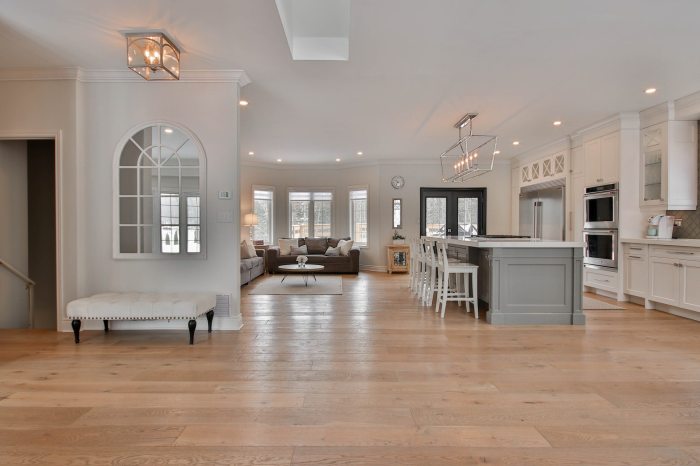
In conclusion, selecting the best flooring for your home remodel is a decision that combines practicality and aesthetics. With the right choice, you can transform your space into a stunning masterpiece that reflects your personal taste and lifestyle.
Quick FAQs
Which flooring material is best for high-traffic areas?
Tile flooring is a durable option that can withstand heavy foot traffic and is easy to clean, making it ideal for areas like the kitchen or entryway.
What flooring option is most budget-friendly?
Laminate flooring offers a cost-effective solution that mimics the look of hardwood or tile at a fraction of the price, perfect for those on a budget.
How can pets impact flooring choices?
Pets with sharp claws may scratch hardwood floors, so choosing a more scratch-resistant option like vinyl or tile can be a practical choice for pet owners.

